How to Choose a Phone in 2026: iPhone, Galaxy or Pixel
Compare the iPhone 17, Galaxy S25 and Pixel 10 families by what actually matters: screen, cameras, battery, updates and ecosystem. A plain-English guide.
Choosing a phone in 2026 comes down to five things: which ecosystem you already live in, the size you can hold comfortably, how much you rely on the camera, how long you plan to keep the phone, and how much storage you will fill. Spec sheets matter far less than they used to, because every current flagship from Apple, Samsung and Google is fast enough for anything most people do.
Key takeaways
- Start with your ecosystem. Your laptop, watch, earbuds and family group chat matter more than any single spec.
- The standard iPhone 17, Galaxy S25 and Pixel 10 cover most people well. Step up to Pro or Ultra for zoom and bigger screens.
- Buy enough storage for how long you keep phones. 256GB is the comfortable starting point.
- Update support is long across all three brands now, so a flagship bought today should stay supported for years.
- Hold them before you buy. Size and weight are the things people most often regret.
Which phone ecosystem should you choose?
Pick the platform that matches the devices you already own. iPhone works most smoothly with a Mac, iPad, Apple Watch and AirPods. Android phones from Samsung and Google work well with Windows PCs, Chromebooks and a wider range of watches and earbuds. Switching is possible, but you give up some conveniences on the way.
The practical things that tie you to an ecosystem are worth listing honestly:
- Messaging and family sharing. iMessage, FaceTime and Apple Family Sharing only work fully on Apple devices. Since iOS 18, iPhones support RCS messaging with Android, which made mixed-platform group chats noticeably better, but some features still differ.
- Watches. An Apple Watch only pairs with an iPhone. A Galaxy Watch8 works best with Android.
- Paid apps and subscriptions. App purchases do not transfer between the App Store and Google Play. Most streaming and cloud subscriptions do, because they are tied to your account rather than the phone.
- Computers. If you use a Mac, an iPhone lets you hand off calls, copy and paste between devices and AirDrop files. Samsung offers similar links with Windows through its own apps.
If you have no strong ties either way, pick the phone you like holding and using. That sounds simple, but it is the best predictor of whether you will still be happy with it in year three.
iPhone 17 vs Galaxy S25 vs Pixel 10: how do they compare?
All three families are mature and capable. The differences are in personality: Apple focuses on polish and long-term consistency, Samsung on hardware choice and features, and Google on software, photo processing and AI tools built into Android. The table below compares the families the way we explain them at the counter.
| iPhone 17 family | Galaxy S25 family | Pixel 10 family | |
|---|---|---|---|
| Software | iOS | Android with Samsung One UI | Android as Google designs it |
| Models we carry | iPhone 17, 17 Pro, 17 Pro Max, iPhone 16e | Galaxy S25, S25 Ultra, Z Flip7, Galaxy A36 5G | Pixel 10, Pixel 10 Pro |
| Best for | Apple households, long-term owners, video | Hardware choice, S Pen (Ultra), foldables | Clean Android, photo processing, AI features |
| Update policy | Long support, no fixed published number | Seven years of OS and security updates | Seven years of OS and security updates |
| Built-in magnetic charging | MagSafe | Through a compatible case | Built-in Qi2 magnets |
| Trade-off | Fewer customization options | Many settings to learn | Fewer models and sizes to choose from |
Specifications change with each software update and each model year, so if one detail matters to you, ask us to check it on the demo unit or use the compare tool to put two models side by side.
Who the iPhone 17 family suits
The iPhone 17 is the default choice for most iPhone buyers this year. The iPhone 17 Pro and 17 Pro Max add a telephoto camera and pro video features that matter to people who film a lot. The iPhone 16e is the lower-cost route into iOS for someone who mainly calls, texts, browses and takes everyday photos.
Who the Galaxy S25 family suits
The Galaxy S25 is a compact Android flagship. The Galaxy S25 Ultra is for people who want the biggest screen, the longest zoom and a built-in S Pen. The Galaxy Z Flip7 folds in half to fit small pockets and bags. The Galaxy A36 5G is a sensible value phone with Samsung’s software.
Who the Pixel 10 family suits
The Pixel 10 and Pixel 10 Pro appeal to people who want Android without extra layers, prompt updates straight from Google, and photo processing that does a lot of the work for you. Google’s on-device AI tools, such as call screening and photo editing features, are a large part of the appeal.
Which phone specs actually matter in 2026?
Five specs matter for day-to-day use: screen size and refresh rate, camera range, battery and charging, storage, and update support. Processor speed matters much less, because every current flagship handles messaging, maps, streaming and gaming without strain. Focus on what you will notice every day.
Screen size and refresh rate
Size is personal. A phone around 6.1 to 6.3 inches is easy to use one-handed; a phone around 6.7 to 6.9 inches is better for video and reading but heavier in a pocket. A high refresh rate (120Hz on most current flagships) makes scrolling feel smoother. In Phoenix, outdoor brightness is a practical concern too: all three flagship families have bright displays designed for direct sunlight, and it is worth checking a demo unit by a sunny window.
Cameras
The number of megapixels tells you little. What matters is how many lenses you get and how far they reach:
- Main camera handles most photos and is excellent on every flagship.
- Ultra-wide is useful for rooms, landscapes and group shots. Most models include one.
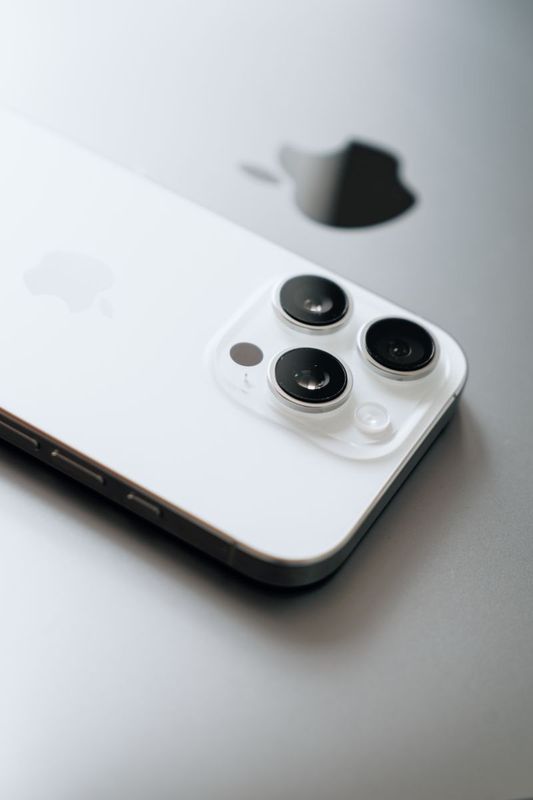
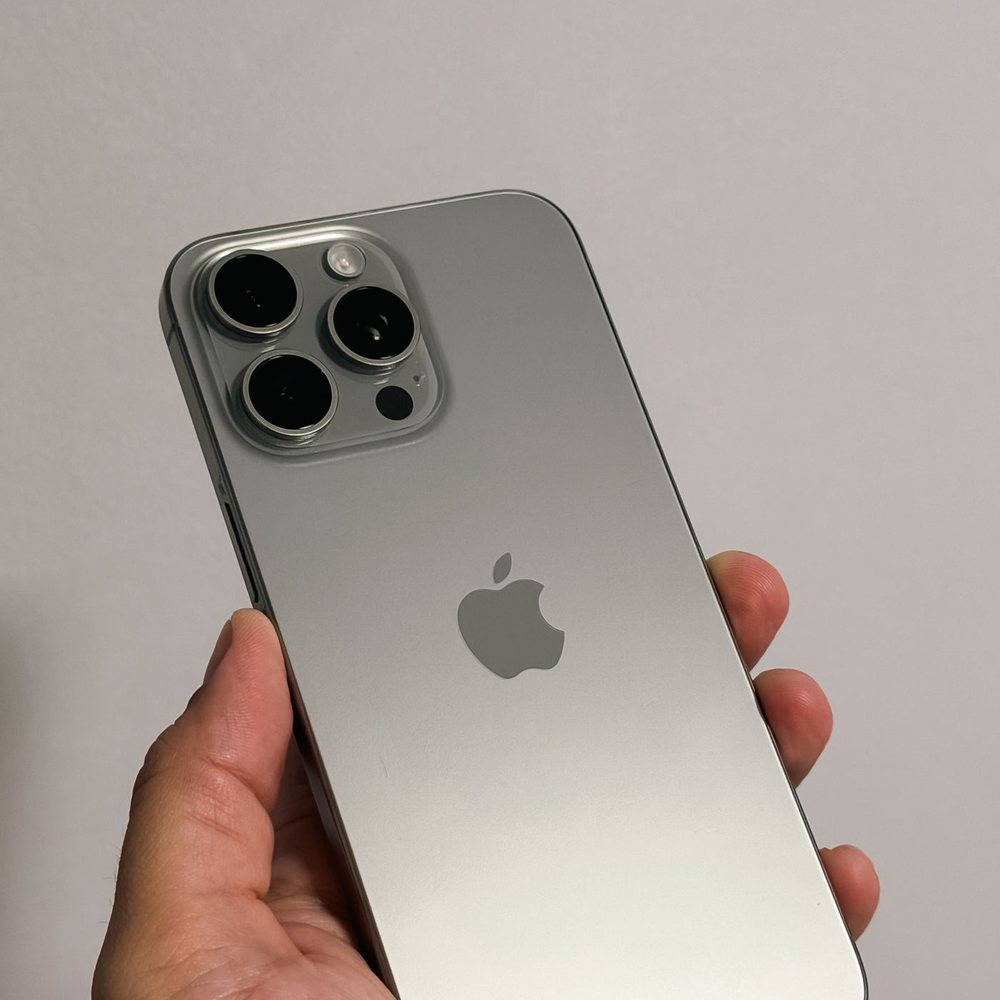
- Telephoto brings distant subjects closer without losing detail. This is the main reason to buy a Pro or Ultra.
If you photograph kids’ sports, wildlife on desert hikes or concerts, a telephoto lens is worth paying for. If you mostly photograph people and food at arm’s length, the standard model is fine.
Battery and charging
Real battery life depends on screen brightness, signal strength and how you use the phone, so we avoid quoting hours. As a rule, the larger models in each family last longer because they have room for a bigger battery. Charging speed differs by brand, and a good charger matters: a VoltEdge 20W USB-C Wall Charger is a sensible baseline for iPhone, and the VoltEdge 65W GaN 3-Port Charger can charge a phone and laptop together.
Storage
Phones cannot be upgraded later, so buy for the whole time you will own the device. 256GB suits most people. Choose 512GB or 1TB if you film a lot, travel with offline media, or keep phones for four years or more. Remember that photos and video grow fastest.
Software updates and security
Long update support protects you from security issues and keeps apps compatible. Samsung and Google publicly commit to seven years of OS and security updates for their current flagships, and Apple has a long track record of supporting older iPhones. This is one reason a flagship can be better value over time than a cheaper phone with shorter support.
Should you buy a Pro model or the standard version?
Buy the standard model unless you can name the Pro feature you will use. Pro and Ultra phones mainly add a longer telephoto camera, more advanced video tools, premium materials and, in the larger sizes, more battery. Those are real benefits for some people and unnoticed extras for others.
A quick way to decide:
- Open your camera roll and look at the last 50 photos.
- Count how many were of something far away (a stage, a sports field, wildlife).
- If it is more than a handful, the telephoto lens will earn its keep. If not, put the difference toward storage, a case or a SunCare protection plan.
How long should a new phone last?
A current flagship should comfortably last four to five years if you choose enough storage, protect it from drops and look after the battery. The battery is usually the first part to wear. Batteries are replaceable, and our team can take a repair intake at either store and give you a quote after inspection.
To get the most years from a phone:
- Use a case and a screen protector from day one. Our ArmorCase Tempered Glass Screen Protector can be fitted in store with our Screen Protector Installation service.
- Turn on your phone’s battery protection setting. iPhone, Samsung and Pixel all offer options that slow or limit charging to reduce battery wear.
- Keep the phone out of hot cars. Read our guide to protecting devices in the desert heat for Arizona-specific advice.
What about trade-in, setup and protection?
Before you buy, it is worth planning what happens to your old phone and how the new one gets set up. Bring your current phone to either store and the team can appraise it for trade-in. The value depends on model, storage, condition and whether the device is unlocked and signed out of its accounts.
Our Phone Setup & Data Transfer service moves your contacts, photos, messages and apps to the new phone while you wait, and we check that your accounts, two-factor apps and payment cards are working before you leave. For cover beyond the manufacturer’s warranty, the SunCare 2-Year Protection – Phone plan extends coverage and adds accidental damage. Full plan terms are available in store and summarized on our warranty and protection page.
Keep in mind our return window for activated phones is 14 days, shorter than the 30 days for most other products, so try the phone properly in the first two weeks. Our returns page has the details.
Where can you compare phones in person in Phoenix?
Both Sunbolt stores have demo phones out on the counter. Sunbolt Camelback on East Camelback Road serves Arcadia, Biltmore, Paradise Valley, Scottsdale and Tempe. Sunbolt Desert Ridge on North Tatum Boulevard serves North Phoenix, Cave Creek, Anthem and north Scottsdale. Both are open every day — current opening hours are shown live on our store pages.
If you know which phone you want, check stock online and choose same-day pickup at the store that shows it as available. If you are undecided, come in with your current phone and a short list of what bothers you about it. We will put two or three candidates side by side, take the same photo on each and help you choose without pressure.
This guide reflects the models we carry as of October 2026. Specifications and software features change with updates; we review this guide when new models arrive.